
What Is the Block Paving Installation Process?
Understanding the block paving installation process helps homeowners make informed decisions. First, excavation is carried out to the correct depth, usually 200–250mm for domestic driveways. All existing materials and waste are removed from site. A solid MOT Type 1 sub-base is then installed and compacted in layers to create a stable foundation.

Some companies place the weed-proof membrane underneath the sand, which is ineffective – since weeds mainly take root from fallen debris – and can reduce permeability and make the driveway to sag. We offer a weed resistant sand, which is much more effective, and ensure we keep sand layers thin and even to prevent sagging.
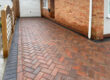
Sharp sand is spread and levelled to form a smooth laying course. The block paving is carefully laid in the chosen pattern, such as herringbone or stretcher bond. Once positioned, kiln-dried sand is brushed into the joints and the surface is compacted to lock everything in place.
Drainage channels or permeable paving systems are installed where necessary to comply with regulations.
The entire process typically takes 3–7 days depending on driveway size and complexity.
Professional installation ensures durability, proper drainage, and an attractive finish. Cutting corners during groundwork is the main cause of future problems, but we are experienced block paving specialists who pride ourselves on delivering high quality results to our clients.


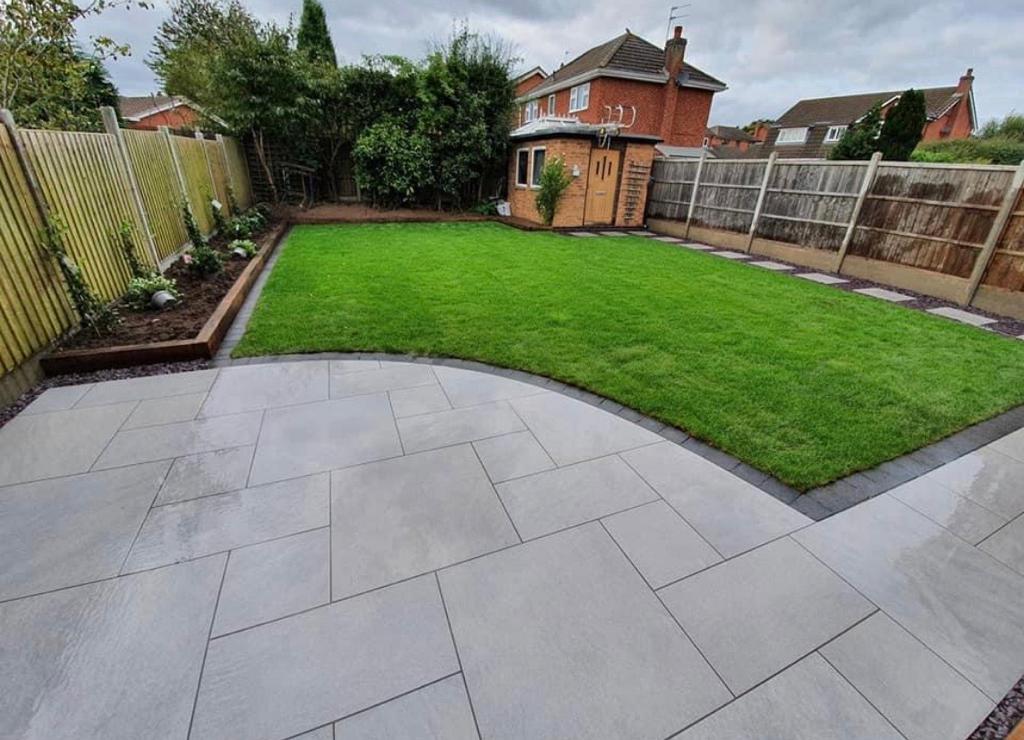
Block Paving Driveways in Kent – Case Studies
Examples of our Block Paving Driveways in Kent and South East London

Block Paving Driveway and Ranch Fencing, Maidstone
“Award-Winning Paving really helped to simplify the whole process, I wish I’d known about them years before!”

Block Paving Driveway, Rochester, Medway
“Award-Winning Paving helped me see that a re-do of the block paving was a sensible and affordable alternative to short-term…

Block Paving Driveway and Fencing, Sevenoaks
” Stellar work from the Award-Winning Team… they’ve more than earned a recommendation from me.”

Block Paving Driveway and Steps, Dartford
“Bobby and his team gave a very reasonable quote and listened closely to my specifications. I’m so happy with the…

Tegula Block Paving Driveway, Gravesend
” The new driveway is beautiful and Award-Winning Paving were easy to work with.”

Block Paving Driveway, Path and Walls, Bexley
“They were very helpful and detailed in their plans, especially when it came to concerns with the drainage. We’re really…

Block Paving Driveway, Orpington
“Award Winning Paving have done a great job, the new driveway has transformed our entire house.”

Double Block Paving Driveway, Chislehurst, Bromley
“Award-Winning Paving have done a tremendous job, the new driveway has really transformed both our homes.”
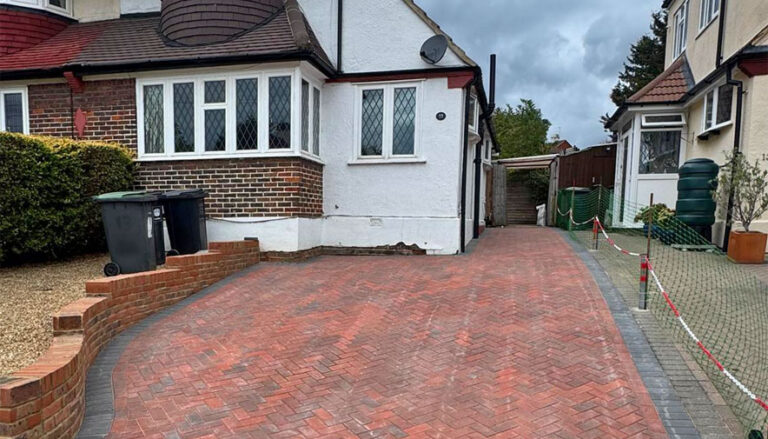
Block Paving Driveway and Path, Elmstead, Bromley
“We only have good things to say about Award-Winning Paving… We love the new driveway and path.”

Tegula Block Paving Driveway, Chatham, Medway
“I was so pleased to find such trustworthy and professional installers, a big thank you to Award-Winning Paving.”
Our Customer Reviews
Most of our work comes through personal recommendations from happy customers.
Take a look at what they say, then get in touch to see how we can transform your outside spaces...
We use only the best paving and landscaping materials from:


Get Your Free Estimate
Examples of Our Work