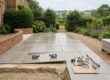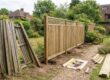


A porcelain patio only performs as well as the groundwork beneath it. For porcelain patio installation in Bromley, a stable sub-base, secure jointing and effective drainage matter as much as the slabs themselves; the surface should fall at 1:60 away from the house to help water drain. Porcelain’s low-porosity surface also makes it a practical choice for a garden exposed to moisture and changing weather.
If you’re weighing up patio materials, appearance is only part of the decision: you also want a finish that suits your home, works well day to day and lasts. This guide explains what porcelain can offer in a Bromley garden, what affects installation cost and why the final price depends on the whole project, not just the paving.
You’ll find guidance on slab sizes, colours and finishing details, as well as the groundwork and drainage needed for a sound installation. Whether you’re planning a seating area, a garden path or both, use these points to make informed choices before work begins.
Key Takeaways
- Porcelain’s low-porosity surface can suit gardens exposed to moisture, but sound groundwork, secure jointing and effective drainage are essential.
- A hose test can help flag drainage problems: according to the UK Government, after 1 or 2 minutes there should be no puddles, and water should soak in without flowing more than 200 to 300mm.
- Compare porcelain with sandstone and concrete by considering appearance, maintenance and the preparation each surface needs, not just the paving material.
- Choose slab size, colour and finish to complement your home and create a cohesive look between patio and path.
- Installation costs depend on the project scope, site preparation, drainage and material choices; the article explains what can affect your quote.
Why Choose Porcelain Paving For Your Bromley Gardens?
Porcelain’s low-porosity surface resists moisture absorption and staining, making it a practical option for a Bromley garden. Its consistent texture can provide stable footing, while hard-wearing, frost-resistant slabs suit patios and paths exposed to changing weather. A lasting result also depends on what lies underneath: accurate groundwork, a stable sub-base and secure jointing all help create a level, durable finish.
Drainage starts before the first slab is laid. Set the finished patio to fall at 1:60 away from the house, directing surface water away from the building instead of towards its walls. On London clay, a compacted MOT Type 1 sub-base at least 100 mm deep is recommended. Excavation should reach at least 150 mm before the sub-base is installed, giving the paving a firm foundation.
Ground levels near the house need particular care. In Bromley’s heavy clay pockets, allow 150 mm of clearance below the damp-proof course (DPC). This helps keep the finished paving clear of the DPC while the fall moves water away from the property. Contractors should set levels with the house, thresholds and garden boundaries in mind, rather than simply laying slabs to follow uneven ground.
Jointing matters because porcelain absorbs little moisture and needs compatible materials to secure each slab. Suitable adhesive and jointing compound help prevent movement and water entering the gaps. The laying surface should be even, without rocking edges or abrupt changes in level. Poor preparation can leave uneven paving, loose slabs or failing joints; inadequate falls or drainage can also lead to standing water.
A simple hose test can help identify drainage problems in a paved area. According to the UK Government, after 1 or 2 minutes there should be no puddles, and water should soak in without flowing more than 200 to 300mm. If water remains pooled, review the fall and drainage route before treating the issue as a surface-cleaning problem.
Do I need planning permission for a patio in Bromley? It depends on the property and the work involved. A listed building or designated area can affect what you can do, so check Bromley Council’s planning guidance for your circumstances before starting.
Poorly installed porcelain can result in uneven edges, loose slabs and standing water. Wet paving may also become slippery, particularly when debris is left on the surface. Choose paving with a consistent texture and keep it clear to support safer footing. Careful levelling, suitable jointing and a planned drainage route address the main installation risks.
How do you maintain and clean outdoor porcelain paving in the UK? Clean it twice a year with a jet wash or warm, soapy water, removing dirt from both the surface and joints. Porcelain paving does not need yearly sealing, so routine cleaning can keep the patio looking cared for without an annual sealing task.
How much does a professional porcelain patio/paving installation cost?
The cost of a porcelain patio in Bromley depends on its area, slab choice, access and preparation needs; the price is given after a quote request. A straightforward garden layout differs from a sloping property needing substantial excavation, waste removal or additional groundwork. The shape also matters: curves, steps and intricate borders require more cutting than a simple rectangular design.
Compare the complete installation, not just the paving material. Porcelain creates a consistent, contemporary finish and resists moisture absorption, while natural Indian sandstone offers variation in colour and surface character. Sandstone can be riven or sawn for different textures and effects. Concrete slabbing offers another practical style, while poured concrete may need extra time to cure and harden fully.
Each material brings different considerations to a garden project:
- Porcelain: its uniform appearance suits crisp lines and coordinated outdoor spaces. Accurate cutting and compatible adhesive and jointing materials are part of the installation.
- Sandstone: natural colour variation can complement traditional landscaping. Slab variation affects the finished pattern and the time needed to arrange it.
- Concrete: concrete slabbing can create a simple, functional surface. A poured concrete patio has a curing stage before it is ready for regular use.
Material selection is only one part of the calculation. A larger patio needs more paving and labour, while narrow access can make it harder to move slabs and remove spoil. Existing levels, the amount of old paving to clear, the layout and the chosen finish all affect the work involved. A detailed quote should set out the planned work and materials, making it easier to compare like with like.
How long does porcelain patio installation take and what is the best time of year? A typical installation in Bromley takes 3-5 days, with the schedule shaped by the area and preparation. Choose a period with suitable working conditions; rain can disrupt groundwork and laying, while a settled spell makes planning easier.
Before deciding, compare samples beside your house and garden planting. A pale porcelain slab can brighten a shaded seating area, while sandstone can blend with established landscaping. Think about how the patio connects to a path, doors and lawn, then select a format and finish that work together. For a tailored view of the design choices, explore porcelain patio options.
Patio design and finishing features
Start with the house, then choose a paving format that suits its proportions. For a suburban 1930s semi, large-format grey or beige porcelain in 900×600 mm slabs can create a balanced, contemporary terrace. A modern extension with bi-fold doors may suit 600×600 mm or 1200×600 mm tiles, extending the indoor-outdoor feel across the threshold. Match the layout to the space, rather than choosing a slab size in isolation. A well-planned porcelain patio installation in Bromley considers the home’s architecture alongside the garden’s shape and intended use.
Slab size changes the character of an outdoor area. Large-format paving creates fewer joints, giving the surface a clean appearance and making cleaning simpler. Smaller slabs can suit a compact patio or a design with a more visible pattern. Before deciding, sketch the seating area, main route and door position. This helps you see where cuts will fall and whether the layout will look orderly around the edges.
Colour and texture help connect the patio to the property. Textured slate-effect or warm limestone porcelain can complement a period or heritage villa, whilst monochrome 600×600 mm tiles give a modern extension a crisp finish. Grey and beige provide a quieter backdrop for planting and outdoor furniture. Consider the garden’s existing brickwork, fencing and greenery together, so the paving sits comfortably within the wider landscaping.
- Choose a format: compare 600×600 mm, 900×600 mm and 1200×600 mm layouts against the patio’s proportions and door openings.
- Set a direction: align rectangular slabs with the house or a main path to give the design a clear visual route.
- Plan the edges: decide how paving meets a lawn, border or step before laying begins, so the finish feels deliberate.
- Keep the palette focused: use one main slab colour and coordinate furniture or planting, rather than adding competing finishes.
Finishing details matter at the boundaries. A neat edge beside a lawn can keep the patio looking complete, while a clear transition to a path helps connect the garden. Joint width and alignment also affect the overall appearance. Italian porcelain’s consistent slab sizing can make it easier to create regular lines and seamless-looking joins, particularly across a larger outdoor area.
For a more traditional character, Indian sandstone offers a natural finish in riven or sawn options. Its surfaces can be honed, sandblasted, brushed or flamed to create different textures. Compare these finishes with porcelain samples outdoors, where daylight and nearby brickwork can change how colours appear. For porcelain patio installation in Bromley, viewing the paving in its intended setting helps you judge how the finish will sit beside your home and garden.

Porcelain patio installation costs in Bromley
For porcelain paving in Bromley, the price depends on the project and is given after a quote request. A useful quote breaks down the work, so homeowners can see how materials, preparation and finishing contribute. It should also describe the proposed patio area and paving choice, rather than treating every garden as the same job.
Start by checking what the installation includes. Porcelain slabs are only one part of the finished surface. The work may include removing an existing patio, preparing the base, laying the slabs, jointing and clearing waste. The property’s condition and garden access affect how these steps are organised. Compare quotes by scope, not just by the total.
Material choice affects both the design and the work involved. Porcelain offers consistent sizing and colour, while Indian sandstone has natural variation and can be riven or sawn. Concrete slabs give a different, simpler appearance, while poured concrete needs time to cure and harden. Compare the finish you want with the preparation and laying method each material requires. A lower material cost alone does not show the full value of an installation.
Site details can change the amount of labour and preparation. A level, open space is different from a garden with awkward access, uneven ground or several changes in level. The plan also needs to account for drainage routes and the patio’s position relative to the house. Ask for these details to be set out in the written scope, so additions and exclusions are clear.
- Materials: identify the paving type, finish and jointing products included.
- Preparation: check how existing surfaces, excavation and waste removal are covered.
- Layout: note whether cuts, borders, steps or path connections are part of the design.
- Completion: confirm what cleaning and site clearance the quoted work includes.
Compare porcelain with other paving by weighing appearance, maintenance and longevity alongside installation requirements. Porcelain resists moisture absorption and staining, while sandstone brings distinctive natural variation. Concrete patios can provide a straightforward finish, though poured concrete needs time to cure. The right choice depends on how you’ll use the space and the look you want.
What warranties and guarantees do Bromley patio installers offer? There is no single standard warranty for every installation. Written terms should explain whether workmanship and supplied materials are covered, how long the cover lasts, what exclusions apply and how to report a problem.
Porcelain patio and path installation in Bromley
A connected patio and path can make a Bromley garden easier to use. Plan the route from the back door to the seating area, lawn or shed before laying begins. Porcelain paving suits patios and paths, including high-traffic areas. Coordinating the slab colour and finish helps the spaces feel like one considered design, rather than separate surfaces added at different times.
Map the layout on the ground first. Mark the patio boundary, path width, door thresholds and any steps, then check how each route meets the garden. A direct path can simplify everyday movement, while a wider paved area can provide room for seating. Planning ahead also shows where cuts and edge details will fall, helping you avoid awkward narrow pieces at visible boundaries.
Installation needs to account for porcelain’s very low absorption. The research describes its absorption rate as almost 0%, so each slab should receive an SBR or polymer slurry primer. Suitable adhesive and jointing compounds support the bond and finished joints. Skipping primer can leave slabs vulnerable to wobbling or lifting within 12 months. Those details matter on a path, where repeated foot traffic puts the laying work to use.
Durability begins below the tiles. For porcelain paving on London clay, a compacted MOT Type 1 sub-base at least 100 mm deep is recommended. The base supports the surface, while careful levelling helps create a consistent route between patio and path. A properly laid paved surface can last between 15 and 25 years, depending on ground conditions and material. A durable result therefore relies on both the porcelain and the preparation.
For a clean finish, keep slab alignment consistent where the patio transitions into the path. Large-format tiles can reduce the number of joints, while a clear edge can define the route beside planting or lawn. Colour also shapes the design: matching slabs create continuity, while a contrasting border can distinguish the walkway. Plan cuts around corners and thresholds before installation, rather than as an afterthought.
Treat the patio and path as one connected surface when planning the work, including how water drains and how each section meets the house or garden. Porcelain paving also needs compatible primer, adhesive and jointing materials as part of a sound laying method. These steps help prevent loose slabs and uneven transitions; the tile alone cannot ensure lasting performance.
Ask for the layout to show both the main patio and the route through the garden, with slab direction and edges clearly considered. This makes it easier to picture how the finished outdoor space will work day to day. Plan your porcelain patio and path layout.
Award-Winning Paving: Resin Bound Driveways
Award-Winning Paving installs Porcelain Patios and provides Garden Landscaping Services to help bring your plans into focus. For a wider outdoor update, the team also installs Resin Bound Driveways and Block Paving Driveways. These options can help coordinate the look and function of different areas around your home in Bromley, Sevenoaks, Orpington, Chislehurst, Chelsfield, Beckenham, Hayes, Keston and Locksbottom.
Turn to Award-Winning Paving when you’re ready to discuss a porcelain patio, connect it with wider garden improvements or explore a driveway surface. The right choice depends on how you want to use each space and the finish you prefer. For a straightforward next step, visit award-winningpaving.co.uk.
Shape an outdoor space that feels like yours
Turn your ideas into a clear plan for how you want to use the garden. Think about where you’ll sit, how you’ll move between the house and garden, and which colours will complement your home. These choices give your porcelain patio installation in Bromley a personal direction before the practical details are agreed.
Award-Winning Paving offers Porcelain Patios, alongside Resin Bound Driveways and Block Paving Driveways. If your plans extend beyond the patio, these options can help you consider how different areas of your property work together. Share the look and use you have in mind, then discuss a design that suits your space.
Contact Award-Winning Paving today to take the next step towards a garden you’ll enjoy using.
Frequently Asked Questions
Are porcelain tiles suitable for patios?
Yes, porcelain tiles are suitable for outdoor patios and garden paths. Their low-porosity surface resists staining and moisture absorption, making them a practical choice for seating and dining areas. For a shaded patio beneath trees, choose a textured finish and clear fallen leaves regularly to help maintain footing. Consider how the paving will meet doors, lawn edges and planting beds, so the tiles work with the garden’s everyday use.
What Can Be Included in a Porcelain Patio Quote in Bromley?
A Bromley patio quote can set out the paving, installation work and site preparation included in the project. Look for a clear description of the measured area, removal of old materials, groundwork, slab laying, jointing, edges and waste clearance. If the design includes steps, a path or complex cuts, these should be identified too. A written scope makes it easier to understand what the proposed work covers.
Comparing Materials for Your Bromley Home?
Choose porcelain for a consistent, contemporary finish and straightforward surface care; choose Indian sandstone if you prefer natural variation in colour and texture. Concrete slabs can suit a simpler, practical layout, while poured concrete needs time to cure before use. For example, porcelain can create a crisp terrace beside modern doors, while sandstone may complement older brickwork. Compare samples in your garden’s light before settling on a colour.
Do porcelain tiles require sealing?
No, porcelain paving does not need yearly sealing. Its low-porosity surface helps resist moisture and staining, so routine care can focus on removing dirt and organic debris. Sealing is optional, and some homeowners choose it to support colour retention and easier maintenance. If you use a sealer, choose one intended for porcelain and follow its application instructions to avoid residue changing the appearance of the finished surface.
Is a “slurry primer” necessary when installing outdoor porcelain tiles?
Yes, applying a suitable SBR or polymer slurry primer to each slab is recommended for outdoor porcelain installation. Porcelain absorbs very little water, so primer helps the tile bond with its bedding layer. It forms part of a compatible installation system alongside the adhesive and jointing compound. Skipping primer can contribute to slabs wobbling or lifting within 12 months, so include this step in the laying method.
What drainage and slope are required for a porcelain patio?
Set the patio to fall at 1:60 away from the house, directing water towards a suitable drainage route rather than the building. Because porcelain is low-porosity, water won’t readily soak through the paving itself. Plan the fall across the whole surface, including paths and door thresholds, so water doesn’t collect in low spots. A hose test can reveal pooling that may need the levels or drainage route reviewed.