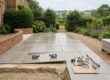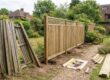


What if your existing driveway is already the right foundation for a new surface? Permeable resin-bound surfacing in Hayes, Kent can be laid over existing concrete or tarmac when the base is stable and in good condition. Its permeable finish lets water drain through the surface, helping to prevent puddles after heavy rain.
When choosing a driveway or path, look beyond appearance: the condition of the base and how rainwater drains matter just as much. This guide explains when an existing surface can be overlaid, how permeability works and what preparation may be needed. You’ll also learn how resin-bound surfacing compares with other finishes, how to care for it and how to choose aggregate colours that suit your home.
Key Takeaways
- An existing concrete or tarmac driveway may be suitable for a resin-bound overlay if the base is stable and in good condition.
- Its permeable finish allows water to drain through, helping reduce puddles after heavy rain.
- Choose aggregate colour and texture with your home and the surface’s intended use in mind; UV-stable resin helps lighter colours resist yellowing.
- Keep the surface clear with regular sweeping and gentle washing once or twice a year.
- Find out how base preparation, drainage and the finish all influence the right approach for your driveway or path.
Maintenance compared with block paving or gravel
In Hayes, check local planning rules if your driveway or path project alters drainage. Resin-bound paving needs regular sweeping and gentle washing once or twice a year. Block paving and gravel have different upkeep needs.
Resin Surface Durability and Upkeep
A well-maintained resin-bound driveway can last upwards of 25 years. Sweep away leaves, soil and loose debris regularly, then gently wash the surface once or twice a year. These steps help keep dirt from building up in the open texture. Look closely at edges and areas where vehicles turn, as these spots receive more wear.
Block paving joints can collect weeds and dirt, so upkeep often means clearing them and keeping the blocks level. Gravel needs raking to redistribute stones, especially where tyres leave tracks or shift the aggregate. Resin-bound paving creates a continuous finish, with no loose stones to rake or individual blocks to reset. Choose according to which maintenance tasks suit your property and routine.
Porous Surfacing Drainage and Maintenance
Permeable resin-bound surfacing lets water pass through its open structure, helping drainage across the paved area. Keep the surface clear of leaves and soil, which can settle into its texture and restrict water flow. Gentle washing once or twice a year helps remove accumulated dirt without an aggressive cleaning approach.
Compare how each surface behaves after rain. Resin-bound paving allows water to drain through; block paving directs it through the joints, while gravel lets rain pass between stones. Debris can affect all three: clear leaves from resin, remove weeds from block-paving joints and rake gravel back into uneven areas. These simple steps help maintain drainage and appearance.
Before choosing, consider how much upkeep you’re willing to do throughout the year. Resin needs sweeping and occasional washing; block paving needs attention to its joints and individual blocks; gravel requires periodic raking to stay even. For a practical comparison, assess the whole driveway or path, including edges, shaded areas where leaves gather and spots where cars regularly turn. These details help you match the surface to your maintenance preferences.
Permeable resin-bound surfacing for driveways and paths
Permeable resin-bound surfacing can create a continuous finish for driveways, paths and patios in Hayes, with water draining through its porous structure. Its key distinction from resin-bonded surfacing, block paving and tarmac is the aggregate-and-resin mix, which forms a permeable surface.
Driveway, Patio and Path Applications
For a driveway, consider vehicle use, the shape of the entrance and how the surface meets the pavement or garage. Resin-bound surfacing can follow curves and create a continuous route from the driveway to a front path. The same material gives a patio a consistent appearance, while garden paths can connect separate areas without loose stones.
Aggregate affects both appearance and use. Resin-bound surfacing is described as slip-resistant with the right aggregate, and an anti-slip finish can be added on slopes. For a path used by someone with a wheelchair or pram, its even, bound finish can be more practical than loose gravel. Consider the route people take, including turns and transitions between paved areas.
Driveways, paths and patios each have different demands. A driveway must suit vehicle traffic; a path needs a comfortable, continuous walking surface; and a patio should complement the garden. Map out these uses before selecting the aggregate to help create a finish that works across the whole outdoor space.
Resin-Bound and Resin-Bonded Driveways
The installation method distinguishes resin-bound from resin-bonded surfacing. For resin-bound paving, aggregate and resin are mixed before the mixture is laid over the substrate. Resin-bonded surfacing starts with resin applied to the base, followed by loose aggregate scattered over it. The finished surfaces differ in texture and in how the stone is held in place.
Because aggregate is mixed throughout a resin-bound surface, it forms a continuous layer rather than a loose top dressing. This structure allows water to drain through. With resin-bonded surfacing, stones sit on the resin base, so it does not provide the same permeable finish. This distinction matters when drainage is a priority for a driveway.
For paths and patios, consider the feel underfoot and the appearance you want. Resin-bound surfacing has a consistent finish; resin-bonded aggregate creates a more textured top. Choose according to the surface’s intended use, drainage needs and preferred look.
Surfacing Options Compared
Block paving uses individual blocks and joints, while tarmac creates a continuous, firm surface. Resin-bound surfacing also creates a continuous finish, but its mixed aggregate structure allows water through. It’s a useful option to consider when a permeable driveway or path is part of the plan.
Each material has a distinct appearance. Block paving shows patterns between the blocks, tarmac has a more uniform look, and resin-bound paving displays the chosen natural aggregate across the surface. Compare samples with your brickwork, garden planting and existing paving before settling on a colour and stone blend.
For a Hayes project, start by deciding what matters most: permeability, pattern, texture or a smooth, consistent appearance. Then consider how the driveway connects to paths and patios, and whether one finish should run between them. Explore resin-bound surfacing options as you weigh up the layout and finish for your outdoor space.
Resin colours, aggregate blends and UV stability
Aggregate colour shapes the look of resin-bound paving, from a subtle match with brickwork to a striking contrast. Compare samples with your home’s exterior and garden before choosing.
Aggregate Colours and Mixes
Natural stone aggregate varies in tone and texture, so a blend can soften the contrast between a driveway and nearby paving. For example, compare a warm-toned mix against brickwork, then view a cooler option beside existing block paving. The same colour can look different against each background. Check samples outdoors, where daylight reveals the stone’s natural variation.
Aggregate size also affects the finished appearance. Premium stone surfacing can use two aggregate sizes to create a more stable, durable surface. A mix of varied stone sizes can give a driveway a different texture from a finer, more uniform blend. Consider how the aggregate will look across the whole driveway, rather than judging it only from a small sample.
Use this simple comparison to narrow down colour and pattern:
- Place each sample beside the house’s brickwork, render or boundary wall.
- Compare it with existing paths, steps and block paving.
- View the stone outside in daylight, then consider how it looks in shade.
For a decorative border, decide whether it should frame the driveway or connect visually with a path. A contrasting edge can define the boundary, while a closer colour match creates a more continuous look. Keep the layout simple if the house already has strong patterns, such as detailed brickwork or patterned paving.
UV Stability
Sun exposure matters when selecting lighter resin-bound colours. UV-stable resin helps lighter colours avoid yellowing over time, preserving the intended appearance of the aggregate blend. If pale stone is central to your design, include resin stability in your selection criteria. Compare the chosen colour with darker alternatives and consider how each will sit alongside the surrounding materials.
Check a complete surface sample, not just loose aggregate. Resin binds the stones together, so the finished appearance comes from the materials combined. Viewing a sample beside a driveway entrance, garden wall or patio can show whether the colour feels too stark or blends naturally.
Before settling on a design, consider the whole outdoor scheme. Note the house colour, existing block paving, garden boundaries and route from the driveway to the front door. Then choose an aggregate blend and any border to suit those features. A consistent palette can link paths and driveway paving, while deliberate contrast can distinguish each area.

Installation over new concrete or existing tarmac
In Hayes, permeable resin-bound surfacing can be laid over existing concrete or tarmac when the surface is stable and in good condition. The first installation consideration is the base: cracks, movement, uneven areas or poor drainage can affect preparation and the finished result.
A new concrete base needs to provide a sound, even foundation before the resin-bound mixture is laid. Existing tarmac may also be suitable, making an overlay a possible way to refresh an old driveway. A stable hard-standing may need less excavation, but an overlay won’t correct an unstable base or disguise underlying faults.
Site preparation follows the condition of the ground. The installation guide recommends excavating the existing surface when preparation work is necessary, rather than covering problems. If a new sub-base is required, the guide specifies type 3 stone to build up and compact. Edging can be supplied and installed where required, helping define the boundary and retain a neat finish.
The laying process starts by mixing natural stone aggregate with polyurethane resin. The combined material is then spread in an even layer across the prepared substrate. The guide describes a basic resin-bound gravel installation thickness of 16 mm. Consistent spreading matters: uneven application can affect the appearance and leave changes in surface level across a driveway or path.
Allow time for installation and curing when planning access to the property. Most resin driveway or patio installations take 2-5 days, depending on size and preparation. Resin-bound gravel surfacing in Hayes should cure for 12-16 hours, with 24 hours described as ideal before traffic. A newly laid surface can usually be walked on after a few hours, but vehicle access needs longer.
Before work starts, clear vehicles and garden items from the installation area, then identify gates, doorways and routes that must remain accessible. Note any damaged tarmac or cracked concrete, as these details help define the preparation needed. When completing a contact form, describe the existing surface and any visible defects. This gives the project discussion a practical starting point.
A no-dig approach is suitable only when the existing hard-standing provides a stable base and needs no preparatory excavation. If the surface has defects or needs a new sub-base, excavation and compaction are part of the work. The right method depends on the condition of the concrete or tarmac, the required edging and the intended finished level.
Resin-bound surfacing permeability and drainage
In Hayes, permeable resin-bound surfacing combines aggregate and resin to create a porous finish that lets water drain through. SuDS compliance doesn’t determine planning permission by itself: check local planning rules if your project alters drainage.
How Permeable Surfacing Works
During installation, aggregate is mixed with resin before the material is laid across the prepared base. The stones remain bound together, while the spaces between them let water pass through. This creates a seamless, attractive surface without loose gravel underfoot. Permeability comes from the structure of the finished mix, not simply from water running towards an edge.
This distinction matters on a Hayes driveway after heavy rain. A permeable resin-bound finish can help prevent puddles by letting water pass through instead of collecting on top. The base beneath it still matters: the full paving system needs to support drainage, not just the visible resin layer. Consider how the driveway connects with paths and other paved areas.
Resin-bound surfacing is often discussed in connection with sustainable drainage. These terms relate to sustainable drainage, but they don’t mean every property alteration has the same planning requirements. If your Hayes project changes drainage, consider planning rules alongside the choice of surface and base.
Drainage Through Resin-Bound Surfacing
Permeability can reduce surface runoff by allowing rainwater to pass through the bound gravel. In an urban setting, this can help manage water where hard paving would otherwise direct more rain across the surface. It’s a practical feature for a driveway, path or patio, especially where puddles have been a recurring nuisance.
Consider the whole drainage route before work begins. Note where water currently gathers, how the proposed surface meets existing paving and whether the project changes the way water flows. For example, replacing a hard-standing with a permeable finish may change runoff around the driveway entrance. These site details help determine the appropriate preparation and layout.
Permeability is not a substitute for sound installation. The base, edges and levels all contribute to how the finished surface handles water. A contractor should consider those elements together, rather than focusing only on the resin layer. For a drainage-led driveway design in Hayes, discuss your resin-bound surfacing project and the surface conditions that shape it.
Award-Winning Paving: Resin Bound Driveways
Award-Winning Paving installs resin-bound driveways for Hayes homeowners planning a new surface or replacing worn paving. If your existing base is stable, an overlay may be suitable; if it needs more preparation, the installation approach can be tailored to its condition. Discuss the driveway’s drainage, access, aggregate colour and how the finish will meet existing paths or garden areas.
For a different look, Award-Winning Paving also installs block paving driveways and porcelain patios, and provides garden landscaping services. These options can support a wider outdoor improvement, with the choice guided by your property’s layout and intended use. Contact Award-Winning Paving to discuss your driveway or path project.
Plan a surface that suits your home
Your next step is to decide what the outdoor space needs to do, not just which finish looks appealing. Sketch how you use the driveway, where paths should lead and whether a patio belongs in the same plan. This gives you a practical starting point for discussing materials and layout.
For permeable resin-bound surfacing in Hayes, Kent, consider how the proposed work will connect with your home and garden. Award-Winning Paving installs resin-bound driveways, porcelain patios and block paving driveways, giving you options as you plan the wider space.
Bring your priorities together before discussing the project: the areas to surface, the look you prefer and any drainage concerns. A clear brief helps focus the conversation on a design that works for your property. Contact Award-Winning Paving today to discuss your plans and take the next step with confidence.
Frequently Asked Questions
Can resin be laid over my existing driveway?
Yes, resin-bound surfacing can be laid over existing concrete or tarmac if the base is stable and in good condition. Before planning an overlay, look for movement, cracking, loose edges or uneven wheel tracks. For example, a dip where a car regularly turns may signal that preparation is needed beneath the visible surface. An overlay refreshes the finish but won’t fix a failing foundation.
How long before I can drive on it?
In Hayes, allow 24 hours before vehicle traffic, the stated ideal period for resin-bound gravel surfacing. The surface should be left to cure for 12-16 hours, but waiting the full 24 hours gives it more time before cars use it. Keep vehicles off during curing, including cars that need to cross the driveway to reach a garage or parking space.
Which contractors install resin-bound surfacing in Hayes, Kent?
Award-Winning Paving installs resin-bound driveways for homeowners seeking permeable resin-bound surfacing in Hayes, Kent. Its local service area also includes Sevenoaks, Orpington, Chislehurst, Bromley, Chelsfield, Beckenham, Keston and Locksbottom. If your project includes driveway and garden changes, the business also provides garden landscaping services. Share your property location and the areas you want surfaced when outlining your project.
What base preparation and installation steps are needed for a resin-bound driveway?
Preparation depends on the existing base. The work may involve excavating where preparation is necessary, compacting type 3 stone for a new sub-base, and installing edging where required. Next, the stone aggregate is mixed with polyurethane resin, then laid evenly over the prepared surface. For example, a sound concrete base may need a different preparation approach from damaged tarmac that requires excavation.
How long does resin-bound surfacing take to install and cure?
Most resin driveway or patio installations take 2-5 days, depending on the project’s size and preparation. That is the installation timeframe, not the period before vehicle access. Resin-bound gravel surfacing in Hayes should cure for 12-16 hours, with 24 hours described as ideal before traffic. Site preparation, such as excavation or building up a sub-base, affects the overall schedule.
How durable is resin-bound surfacing, and what maintenance does it need?
A well-maintained resin-bound driveway can last upwards of 25 years. Regularly sweep away leaves and debris, then gently wash the surface once or twice a year. For instance, clear leaf build-up from a shaded corner before it compacts into the texture. Keeping the surface clean also helps preserve its appearance and drainage. Check edges and vehicle turning areas during routine cleaning.
What are common problems with resin-bound surfacing, including drainage failures and cracking?
Cracking can occur if the base moves or the surface is laid over an unstable foundation. Drainage may be affected if debris fills the porous texture or if the underlying surface and levels don’t support water movement. After installation, watch for persistent puddles, new cracks or loose edges. These signs can help identify whether the issue relates to the surface, its preparation or accumulated debris.
What resin-bound aggregate colours and finishes are available from local Kent installers?
Resin-bound surfacing comes in a wide variety of aggregate colours and textures. Award-Winning Paving offers driveway finishes in varied aggregate options; the right blend depends on the look you want for your home. Compare samples with brickwork, existing paving and garden boundaries in daylight. If you choose a lighter blend, UV-stable resin helps it avoid yellowing over time.